Series: Best Suburban Growing Books

  • Prepared Neighborhoods: Creating Resilience One Street at a Time

    Prepared Neighborhoods: Creating Resilience One Street at a Time

    This entry is in the series Best Suburban Growing Books

    Resilience is a worthwhile pursuit, both for individuals and communities. But how to build strength into our lives as citizens? And into our towns? According to author Scott James, the answer lies within our neighborhoods, where sustainability meets preparedness. Prepared Neighborhoods will walk you step by step through creating a more resilient – and enjoyable…;


    Hold Fast PublishingPrice: Free


    Resilience is a worthwhile pursuit, both for individuals and communities. But how to build strength into our lives as citizens? And into our towns? According to author Scott James, the answer lies within our neighborhoods, where sustainability meets preparedness. Prepared Neighborhoods will walk you step by step through creating a more resilient – and enjoyable – neighborhood and community.

    Self-sufficiency for every citizen is not realistic nor desirable. Creating group resilience through urban homesteading and neighborhood preparedness projects is a much more attractive goal that leads to a stronger community and brighter future!



  • The Weekend Homesteader: A Twelve-Month Guide to Self-Sufficiency

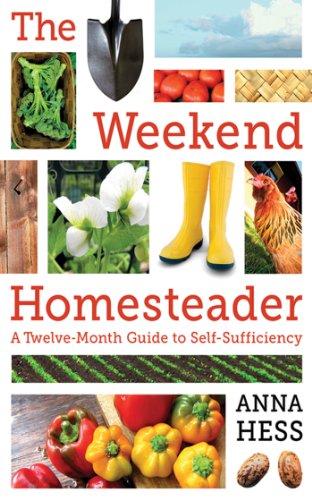
    The Weekend Homesteader: A Twelve-Month Guide to Self-Sufficiency

    This entry is in the series Best Suburban Growing Books

    The Weekend Homesteader is organized by month—so whether it’s January or June you’ll find exciting, short projects that you can use to dip your toes into the vast ocean of homesteading without getting overwhelmed. If you need to fit homesteading into a few hours each weekend and would like to have fun while doing it,…;


    The Weekend Homesteader is organized by month—so whether it’s January or June you’ll find exciting, short projects that you can use to dip your toes into the vast ocean of homesteading without getting overwhelmed. If you need to fit homesteading into a few hours each weekend and would like to have fun while doing it, these projects will be right up your alley, whether you live on a forty-acre farm, a postage-stamp lawn in suburbia, or a high rise.   

    You’ll learn about backyard chicken care, how to choose the best mushroom and berry species, and why and how to plant a no-till garden that heals the soil while providing nutritious food.  Permaculture techniques will turn your homestead into a vibrant ecosystem and attract native pollinators while converting our society’s waste into high-quality compost and mulch. Meanwhile, enjoy the fruits of your labor right away as you learn the basics of cooking and eating seasonally, then preserve homegrown produce for later by drying, canning, freezing, or simply filling your kitchen cabinets with storage vegetables. As you become more self-sufficient, you’ll save seeds, prepare for power outages, and tear yourself away from a full-time job, while building a supportive and like-minded community. You won’t be completely eliminating your reliance on the grocery store, but you will be plucking low-hanging (and delicious!) fruits out of your own garden by the time all forty-eight projects are complete.


    Full Customer Reviews:


  • Homesweet Homegrown: How to Grow, Make and Store Food, No Matter Where You Live

    Homesweet Homegrown: How to Grow, Make and Store Food, No Matter Where You Live

    This entry is in the series Best Suburban Growing Books

    This succinct handbook is packed with practical information that will inspire and enable those who want to grow their own food and venture down the path of food independence. From choosing and starting seeds to preserving the harvest, cost effective and time-saving projects are set forth in detail. Instructions for making DIY planters and irrigation…;


    This succinct handbook is packed with practical information that will inspire and enable those who want to grow their own food and venture down the path of food independence. From choosing and starting seeds to preserving the harvest, cost effective and time-saving projects are set forth in detail. Instructions for making DIY planters and irrigation systems, designs for upcycling old furniture into gardening stations, recipes for homemade organic plant sprays, charts listing dollars-and-cents breakdowns of homegrown versus store-bought produce, and growing guides for fruits or vegetables are just a few of the projects that will inspire neophyte and experienced gardeners to dig deep into sustainable living.


    Full Customer Reviews:


  • Food Not Lawns: How to Turn Your Yard into a Garden and Your Neighborhood into a Community

    Food Not Lawns: How to Turn Your Yard into a Garden and Your Neighborhood into a Community

    This entry is in the series Best Suburban Growing Books

    Gardening can be a political act. Creativity, fulfillment, connection, revolution—it all begins when we get our hands in the dirt. Food Not Lawns combines practical wisdom on ecological design and community-building with a fresh, green perspective on an age-old subject. Activist and urban gardener Heather Flores shares her nine-step permaculture design to help farmsteaders and…;


    Chelsea Green PublishingPrice: $25.00 $14.97 Free Shipping


    Gardening can be a political act. Creativity, fulfillment, connection, revolution—it all begins when we get our hands in the dirt.

    Food Not Lawns combines practical wisdom on ecological design and community-building with a fresh, green perspective on an age-old subject. Activist and urban gardener Heather Flores shares her nine-step permaculture design to help farmsteaders and city dwellers alike build fertile soil, promote biodiversity, and increase natural habitat in their own “paradise gardens.”

    But Food Not Lawns doesn’t begin and end in the seed bed. This joyful permaculture lifestyle manual inspires readers to apply the principles of the paradise garden—simplicity, resourcefulness, creativity, mindfulness, and community—to all aspects of life. Plant “guerilla gardens” in barren intersections and medians; organize community meals; start a street theater troupe or host a local art swap; free your kitchen from refrigeration and enjoy truly fresh, nourishing foods from your own plot of land; work with children to create garden play spaces.

    Flores cares passionately about the damaged state of our environment and the ills of our throwaway society. In Food Not Lawns, she shows us how to reclaim the earth one garden at a time.

    Ships from Vermont


    Full Customer Reviews:


  • The Suburban Micro-Farm

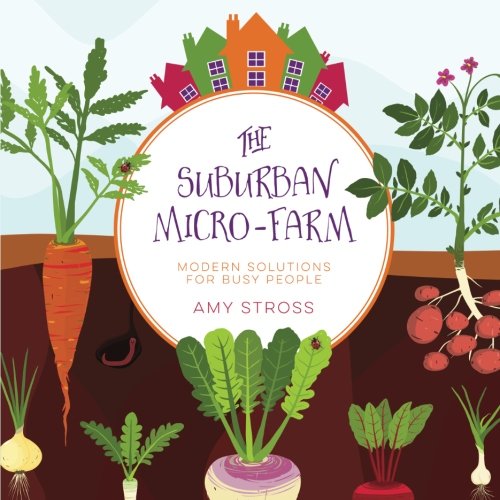
    The Suburban Micro-Farm

    This entry is in the series Best Suburban Growing Books

    Reduce your lawn and your grocery budget. Take gardening to the next level!Would you like to grow healthy food for your table? Do you want to learn the secrets of farming even though you live in a neighborhood? Author Amy Stross talks straight about why the suburbs might be the ideal place for a small…;


    Reduce your lawn and your grocery budget. Take gardening to the next level!

    Would you like to grow healthy food for your table? Do you want to learn the secrets of farming even though you live in a neighborhood? Author Amy Stross talks straight about why the suburbs might be the ideal place for a small farm.

    In these pages you’ll learn:

    • How to make your landscape as productive as it is beautiful
    • Why the suburbs are primed with food-growing potential
    • How to choose the best crops for success
    • Why you don’t need the perfect yard to have a micro-farm
    • How to use easy permaculture techniques for abundant harvests

    If you’re ready to create a beautiful, edible yard, this book is for you.

    The Suburban Micro-Farm will show you how to grow your own fruits, herbs, and vegetables even on a limited schedule. From seed to harvest, this book will keep you on track so you feel a sense of accomplishment for your efforts.

    You’ll learn gardening tricks that are essential to success, like how to deal with a ‘brown thumb’, how to develop and nurture healthy soil, and how to manage garden pests.

    Although this book has everything a new gardener needs to get started, experienced gardeners will not be disappointed. With helpful tips throughout, you will love the in-depth chapters about permaculture and making money on the micro-farm.


    Full Customer Reviews:


  • The Permaculture Transition Manual: A Comprehensive Guide to Resilient Living

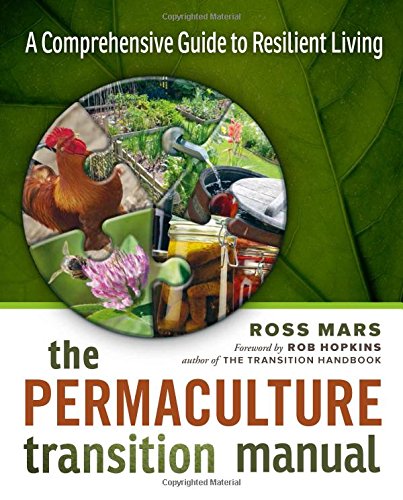
    The Permaculture Transition Manual: A Comprehensive Guide to Resilient Living

    This entry is part 1 of 7 in the series Best Suburban Growing Books

    Caught between climate change and a fossil fuel-driven economy that demands ever more growth, the world faces a great transition—by design or disaster—away from fossil fuels to a less energy intensive future.But what proven tools are available to aid in making a successful, deliberate transition to a resilient, sustainable future?For the first time, the power…;


    New Society PublishersPrice: $34.95 $23.76 Free Shipping


    Caught between climate change and a fossil fuel-driven economy that demands ever more growth, the world faces a great transition—by design or disaster—away from fossil fuels to a less energy intensive future.

    But what proven tools are available to aid in making a successful, deliberate transition to a resilient, sustainable future?

    For the first time, the power of permaculture design has been brought to bear on the great transition problem. In the process, acclaimed permaculture teacher and designer Ross Mars has distilled his considerable knowledge into the ultimate resource for resilient living.

    The Permaculture Transition Manual is packed with information on permaculture design principles, soil building, nutrient-dense food growing, including top plant and tree selections for all climatic zones. Coverage extends to rainwater harvesting and irrigation, human waste management, and strategies for rural properties plus a unique focus on applying permaculture to small urban spaces for decluttering and efficient food growing. Also covered are hand tools, food preservation, energy production, and low-carbon housing and a plethora of nearly forgotten skills such as soap making, basket weaving, seed saving, and rope and candle making, and more.

    On the desert island of a world in decline this is the one-stop guide to vibrant, resilient living you’ll want to take with you.

    Ross Mars is a scientist with a PhD in Environmental Science, entrepreneur and highly-regarded permaculture teacher and designer. Author of The Basics of Permaculture Design, he manages Candlelight Farm, a permaculture demonstration site and training center in Western Australia.


    Full Customer Reviews:


  • The New American Homestead: Sustainable, Self-Sufficient Living in the Country or in the City

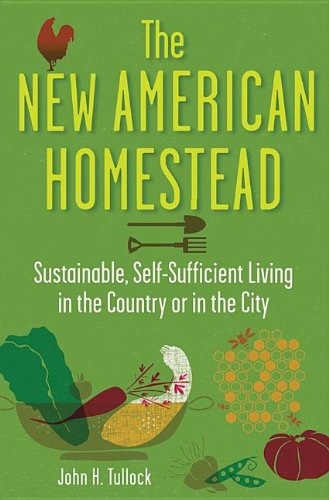
    The New American Homestead: Sustainable, Self-Sufficient Living in the Country or in the City

    This entry is part 1 of 7 in the series Best Suburban Growing Books

    Learn how to live sustainably in the city, the suburbs, or the countryMany people are cutting back on consumerism and trying to simplify their lives, realizing that the “”new way”” isn’t necessarily the best way. The sustainable living movement goes beyond a desire to protect the environment and practice green living; it’s about rediscovering simple…;


    Howell Book HousePrice: $19.99 $14.99 Free Shipping


    Learn how to live sustainably in the city, the suburbs, or the country

    Many people are cutting back on consumerism and trying to simplify their lives, realizing that the “”new way”” isn’t necessarily the best way. The sustainable living movement goes beyond a desire to protect the environment and practice green living; it’s about rediscovering simple survival skills that, in an earlier time, were known and practiced by almost everyone.

    The New American Homestead gives you a wealth of information about homesteading—a lifestyle of simple, agrarian self-sufficiency—from raising chickens, bees, and other animals to gardening in earth-friendly ways to canning, preserving, home brewing, and cheese making. The book does not assume that you have a sizable parcel of land in the country; author John Tullock’s techniques can be put to use in virtually any space, even a small urban plot.

    • The book appeals to anyone who has a yard, courtyard, deck, or porch with room for gardening; wants to spend less money maintaining a household; and desires to reduce his or her carbon footprint through sustainable living
    • The author emphasizes cultivating foods of all kinds in spaces of one-third of an acre or less, with consideration given to costs, family needs, available space, and the pleasures of the table
    • Includes advice for achieving sustainability in other aspects of urban/suburban life

    Whether you’re dwelling in the country, suburbs, or the city, The New American Homestead shows you how to live a more sustainable life.

    The New American Homestead Sustainable Self Sufficient Living in the Country or in the City


    Full Customer Reviews:


Malcare WordPress Security