
Tree Hay Days — Ancient Forage, Pollarding & Coppicing (Benton, PA Archive)
Historical record of the Tree Hay Days, pollarding, and coppicing educational workshops and work-stay harvest days held at our Benton, Pennsylvania farm.
Tree Hay Days & Ancient Forage Workshops (Benton, PA Archive)
These hands-on workshops and work-stay harvesting days were offered at our Benton, Pennsylvania farm to teach smallholders how to cut feed costs and improve ruminant vitality through traditional tree fodder. This program is concluded and preserved for historical homesteading and silvopasture education.
Tree Hay, Pollarding & Coppicing in Practice
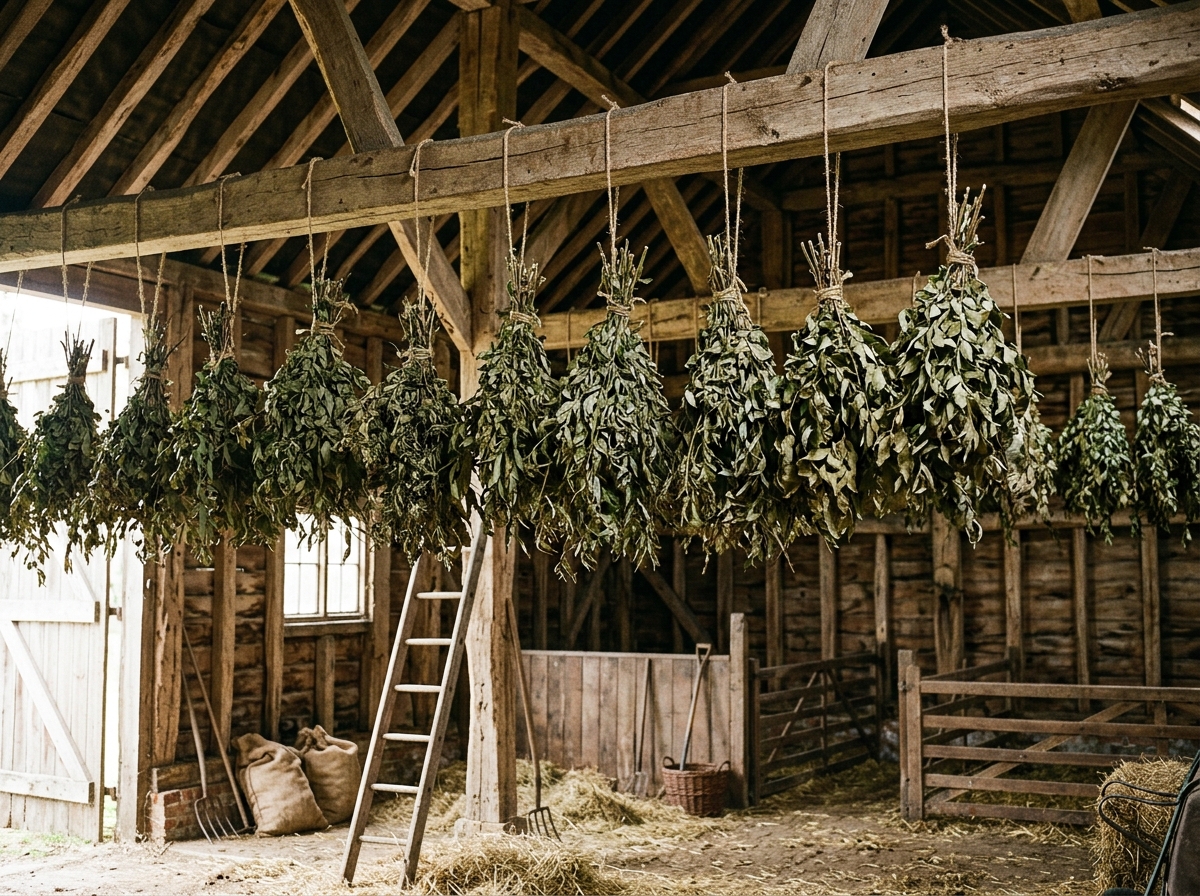
Tree Hay Bundles (Leaf Fodder)
Leafy branches tied in bundles and cured in airy barn rafters to preserve vitamins, proteins, and minerals for winter goat feed.
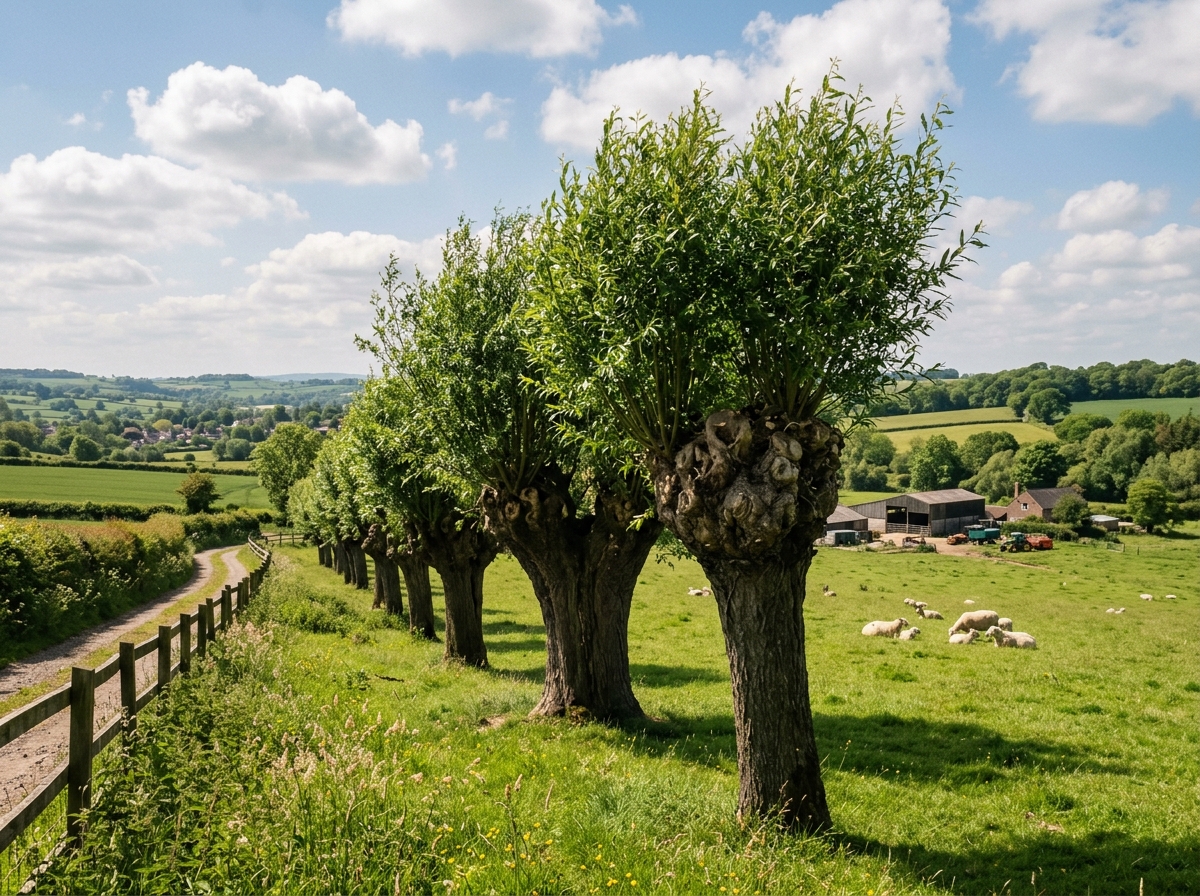
Pasture Pollarding
Trees cut at 6–10 feet above ground level, allowing vigorous leafy regrowth safe above the reach of browsing livestock.
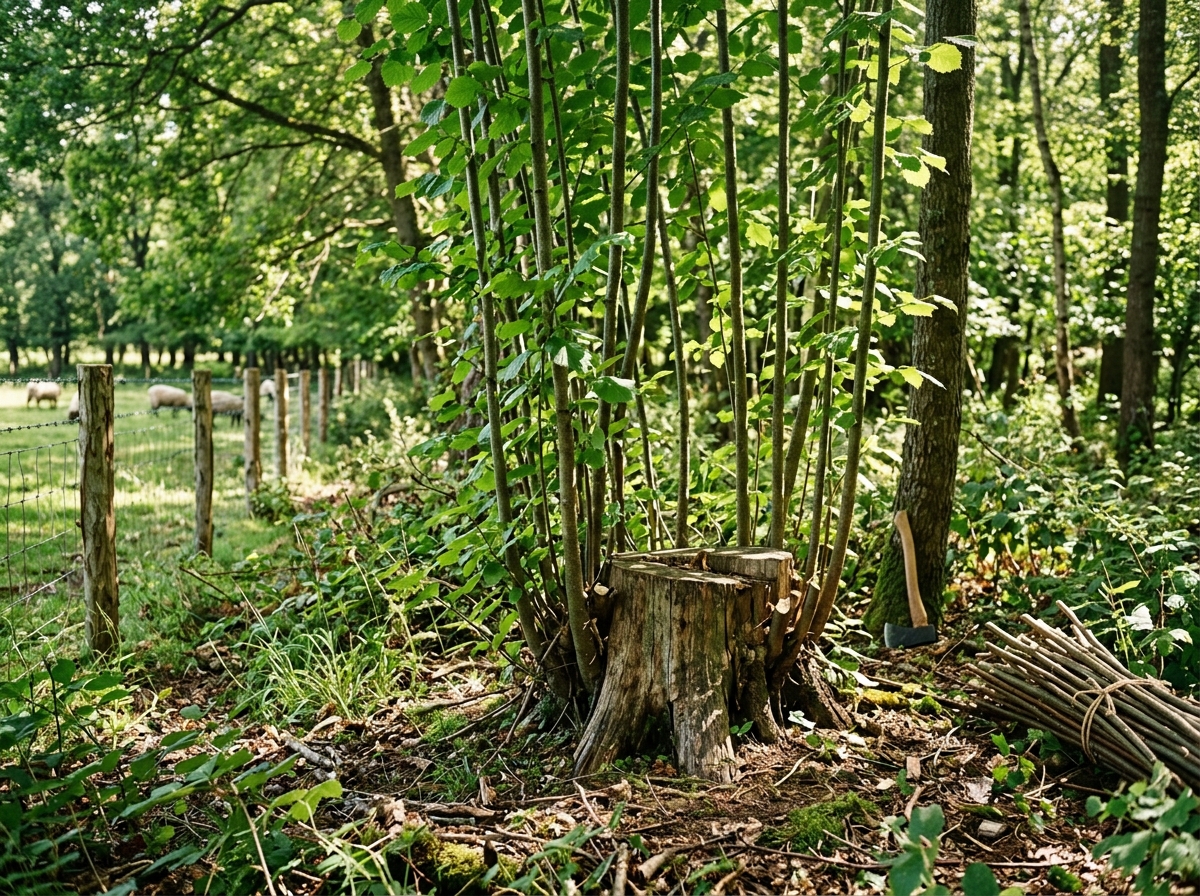
Woodland Coppice Stools
Cutting trees down to the ground stool to stimulate clusters of rapid, straight pole regrowth for fodder, stakes, and craft wood.
Why Tree Hay for Goats & Livestock?
Before industrial mechanized haying, European and indigenous pastoralists sustained herds through winter using dried tree leaves (leaf hay). Because tree roots penetrate deep into subsoil mineral strata, tree leaves often contain higher concentrations of copper, zinc, selenium, calcium, and cobalt than shallow pasture grasses.
Pollarding vs. Coppicing: Understanding the Techniques
Pollarding (High Pruning)
Ideal for Active Pastures & SilvopasturePollarding involves cutting the main trunk at roughly 6 to 10 feet from the ground. This forms a swollen "pollard head" where vigorous young shoots sprout each year.
Coppicing (Ground-Level Cutting)
Ideal for Fenced Woodlots & HedgerowsCoppicing involves cutting deciduous trees near ground level while dormant. The stump (stool) responds by sending up dozens of rapid, straight multi-stem poles.
Work-Stay Learning Format (Benton, PA)
During active summer harvesting seasons at the Benton, PA farm, guests and students participated in a work-stay model combining classroom principles with hands-on field harvesting:
Reward Option 1: Farmstay Rebate
For every 2 hours of tree hay harvest participation, guests earned a 50% rebate on one night of their farmstay accommodation.
Reward Option 2: Complimentary Farm Tours
Participants could choose a complimentary Meet & Treat Arabians Tour, Playtime With Fainting Goats Tour, or Farmstead Tour.