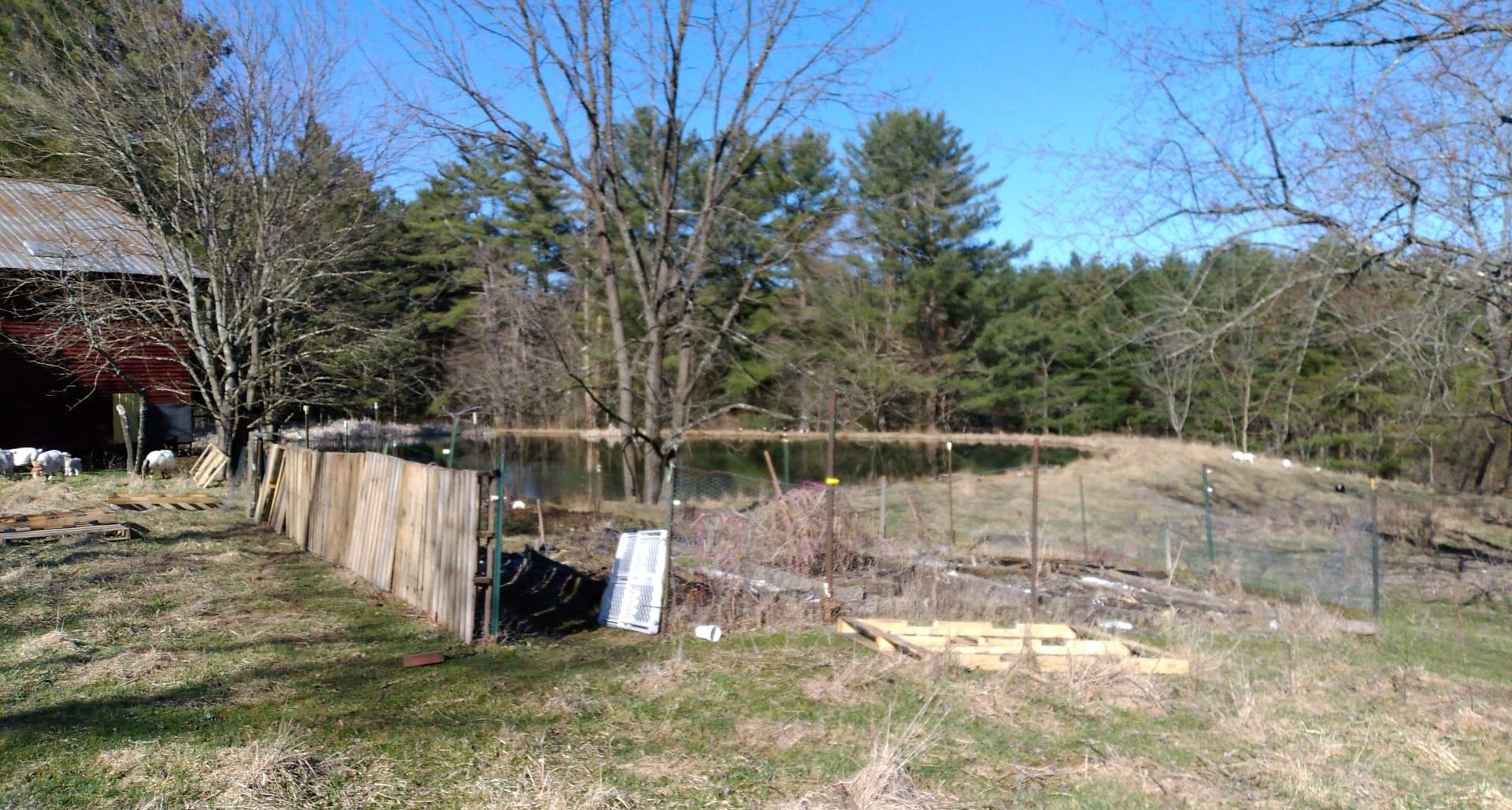
Well, it’s garden planning time.
For me (the wifey half of our farming duo) I find garden planning a mixture of fun and daunting details.
This year, with the current world events, we decided to triple our main garden, in addition to the two additional gardens already under construction over the winter. (More on beds and bed planning in another post.) We sat down, made our seed list, checked our inventory and went seed shopping. After seeing the prices per packet, and watching events unfolding, it is seeming wise to get more serious about seed saving this year.
 |
 |
 |
| The beautiful chaos of garden construction |
I’ll back up a few steps and explain why we haven’t bothered with much seed saving in previous years. To make any farm profitable, you have to include your labor (time x hourly rate) in the calculations. Frankly, the cost of the labor to save seeds was not profitable, not when others are doing a more efficient and professional job of producing seeds that we can easily order or buy in the store. This year, for the first time, the global uncertainties are making us take a second look at that labor – if you cannot find seeds at all then the labor cost becomes irrelevant. We hope to at least save some core basics, God willing, and still support heirloom seed businesses for the rest of our seed needs.
So, from my previous dabblings in seed saving, and I truly mean dabbling, as most success was with lettuce and marigolds (I challenge you to fail at marigolds), I do remember that in order to save seeds in the fall, you need to plan before you ever plant.
Here are my top tips for planning, and some great websites with more details:
Tip 1: Only plant open-pollinated varieties. Seeds from hybrids (labeled F1) will not breed true. Seeds from GMO seeds are illegal to save and most likely won’t sprout or breed true.
Tip 2: Plants will cross pollinate if they belong to the same family. Squashes are notorious for this. If you want to save seeds from more than one variety in a family, for example, summer squash and pitty pat squash, you can select varieties that bloom at different times, or you can space your garden beds out to separate the plants and minimize cross pollination.
Tip 3: Plant enough plants to meet your needs plus some extra to allow to mature for seed collection.
Tip 4: If this is your first time gardening, consider planning different types and locations of beds, and trying different plant varieties, to see what best suits your land. You may need extra seed, to allow for experiments and for failed crops.
Here are some great websites to get you started:
https://extension.umn.edu/planting-and-growing-guides/saving-vegetable-seeds
https://www.seedsavers.org/how-to-save-seeds
https://www.motherearthnews.com/organic-gardening/save-vegetable-seeds-backyard-zmaz77zsch
https://www.almanac.com/content/start-saving-those-vegetable-seeds
https://modernfarmer.com/2018/07/seed-saving-101-10-things-to-know-if-you-want-to-start-saving-seeds/
Happy planning!



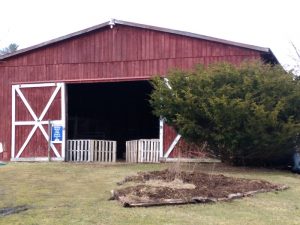
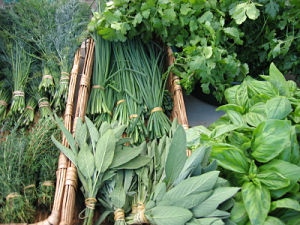 Barakah Heritage Farm hosts a fair number of visitors each year via our horse programs, the campsites and glamping loft and the goat experience. As the area in front of the main barn is just a big plain yard, we were looking for something to add some curb appeal and possibly trigger some impulse buys to add to the farm income. In previous seasons, guests have admired the vegetable garden, and we often gifted folks with some excess produce to take home. So we thought perhaps some type of garden product could dress up the yard and generate some income.
 Below are some additional links we found useful: